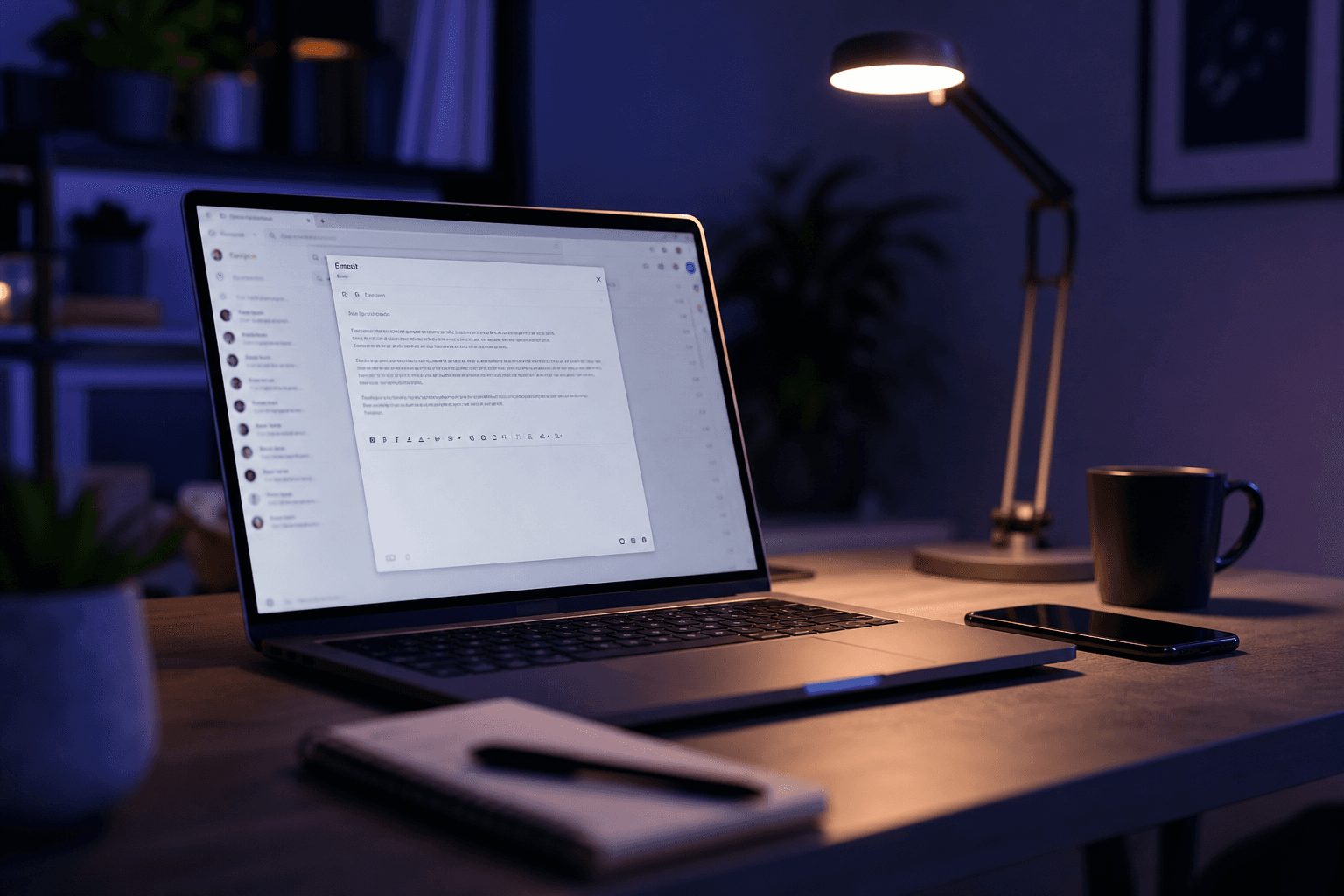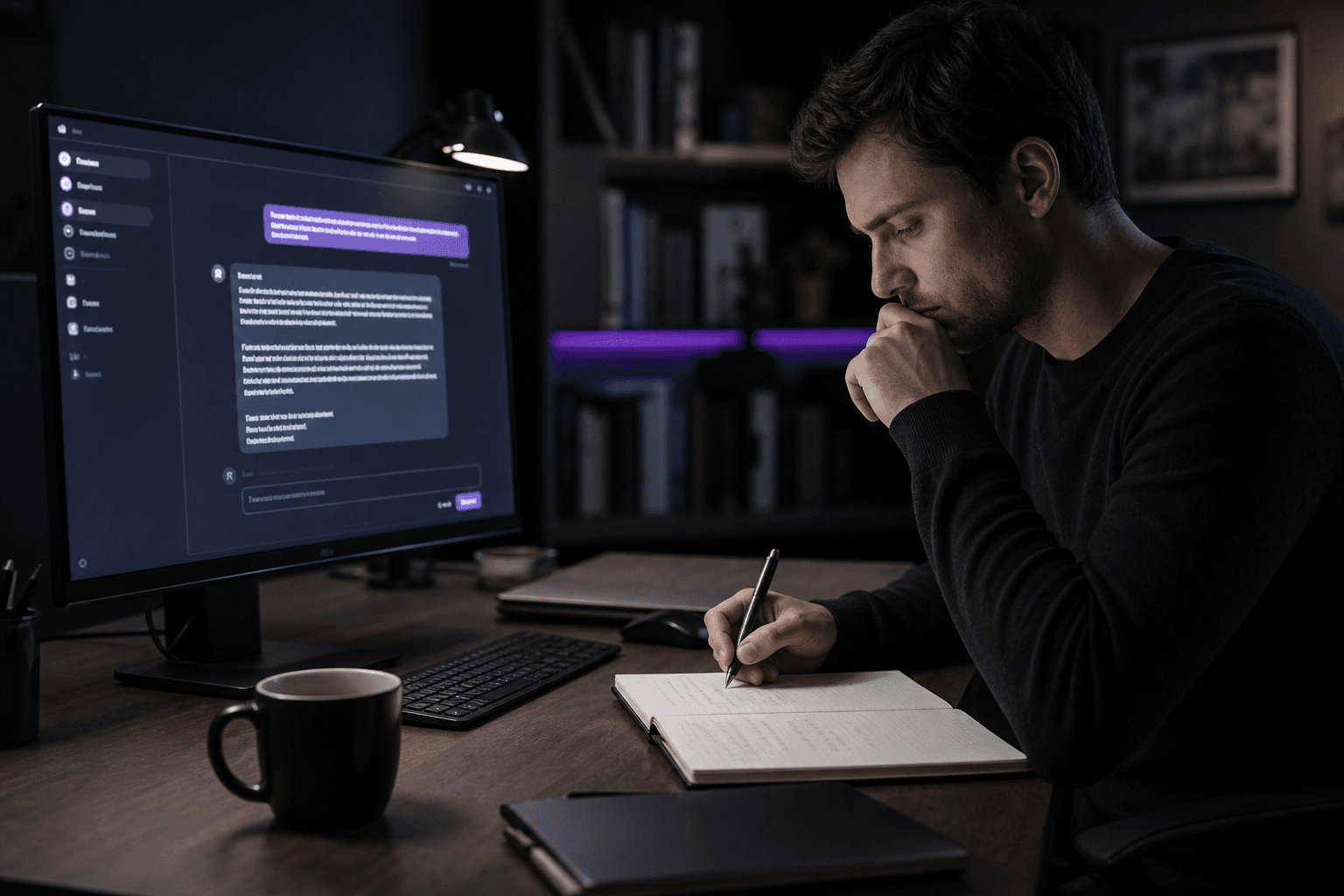
ChatGPT can write a great email. The question is not quality - it is workflow. For many professionals, the cost is the six-step loop: open chat, explain context, paste the thread, iterate tone, copy, paste into the real app.
Where ChatGPT wins
- Blank-page thinking: strategy memos, long explanations, brainstorming.
- One-off complex writing with lots of constraints.
- When you already have the full thread pasted and time to prompt carefully.
Where dedicated work apps win
- Repeated message types: client updates, follow-ups, support replies.
- Mobile capture: voice after a call, screenshot of a chat thread.
- Format switching: email today, Teams update in two minutes.
- Less prompting: the product assumes “make this sendable.”
A side-by-side workflow test
Take the same rough input: “Tell Jamie the Excel connector permissions look wrong, I’ll confirm today.” Run it through ChatGPT with a careful prompt. Then run it through a capture-first tool. Measure minutes and how much rewriting you still do.
Most people discover ChatGPT quality is high, but the context tax is real. Dedicated AI writing apps for work compress the boring parts. For a broader market view, read best AI email writer apps in 2026.
Privacy and sending control
Whatever you use, prefer clear policies: no selling your content, no model training on your drafts if that matters to your company, and delete-account paths. Kloven generates drafts only - nothing is sent until you copy or share. Details are in the privacy policy.
Recommendation
Keep ChatGPT for deep work. Use a dedicated AI writing app when the job is “turn this rough thought into a message I can send.” If that is most of your day, start with Kloven’s features overview and try one real reply.