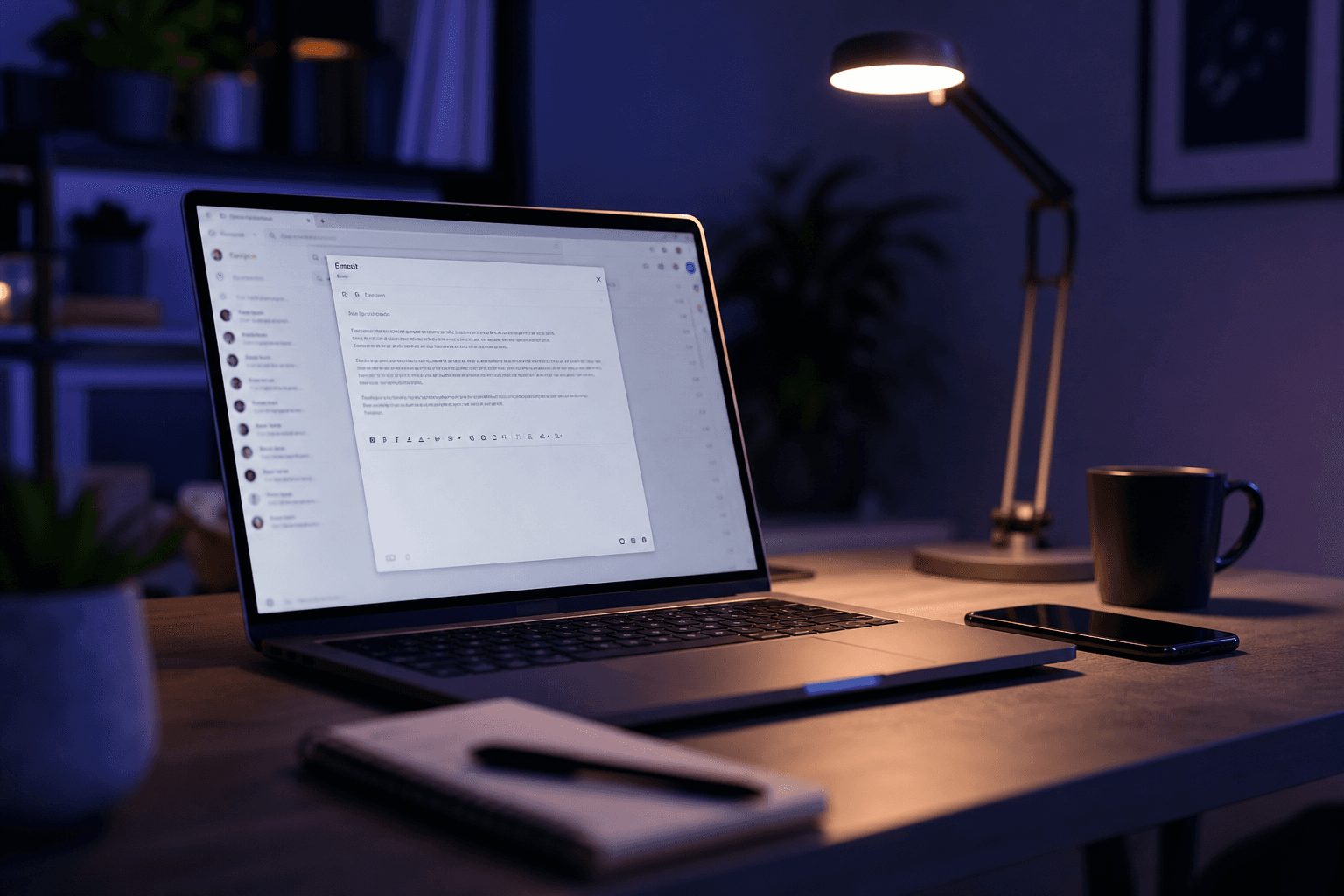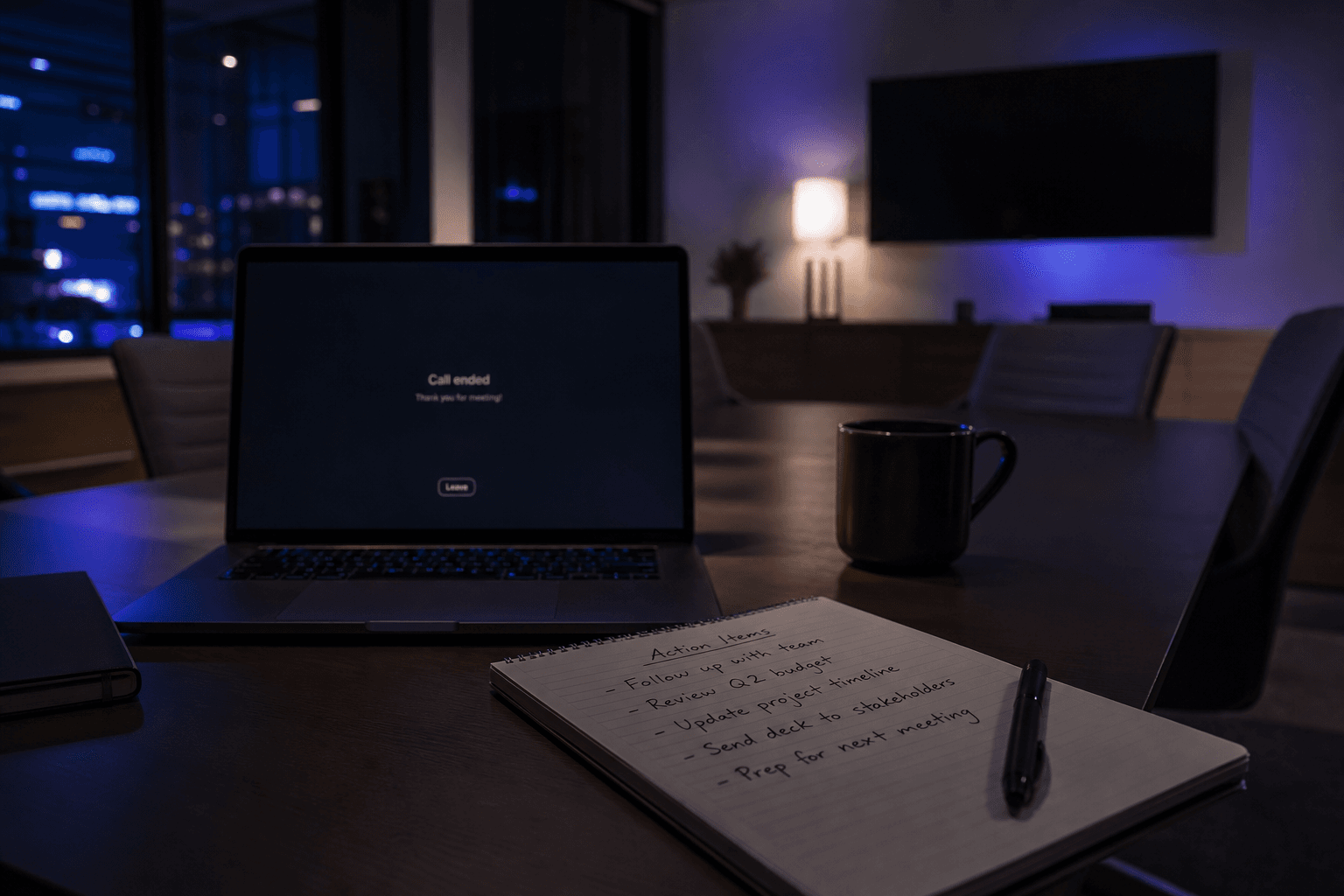
The meeting follow-up email is where agreements become real. Skip it and decisions dissolve. Overwrite it and you sound like a robot. The goal is a short message with owners, dates, and open questions - sent while memory is fresh.
What every follow-up email needs
- One-line purpose: why you are writing.
- Decisions made (not a full transcript).
- Action items with owners and dates.
- Open questions or blockers.
- A clear next checkpoint.
A reusable structure
- Subject: “Follow-up: [topic] - decisions and next steps”.
- Thanks + one-sentence summary.
- Bullets: decisions.
- Bullets: actions (Owner - task - date).
- Closing ask: confirm or correct anything missing.
The same-day voice workflow
As soon as the call ends, record a voice note covering decisions and actions. Convert it into a meeting follow-up email before you context-switch. This is the highest-ROI use case for voice-to-email tools. Details are in turn voice notes into emails.
Kloven can also pull action items alongside the draft so the follow-up is not just prettier prose. Review names and dates - never outsource commitments to the model. For meeting hygiene basics, Harvard Business Review’s archive on running better meetings is a solid external reference.
Internal vs external follow-ups
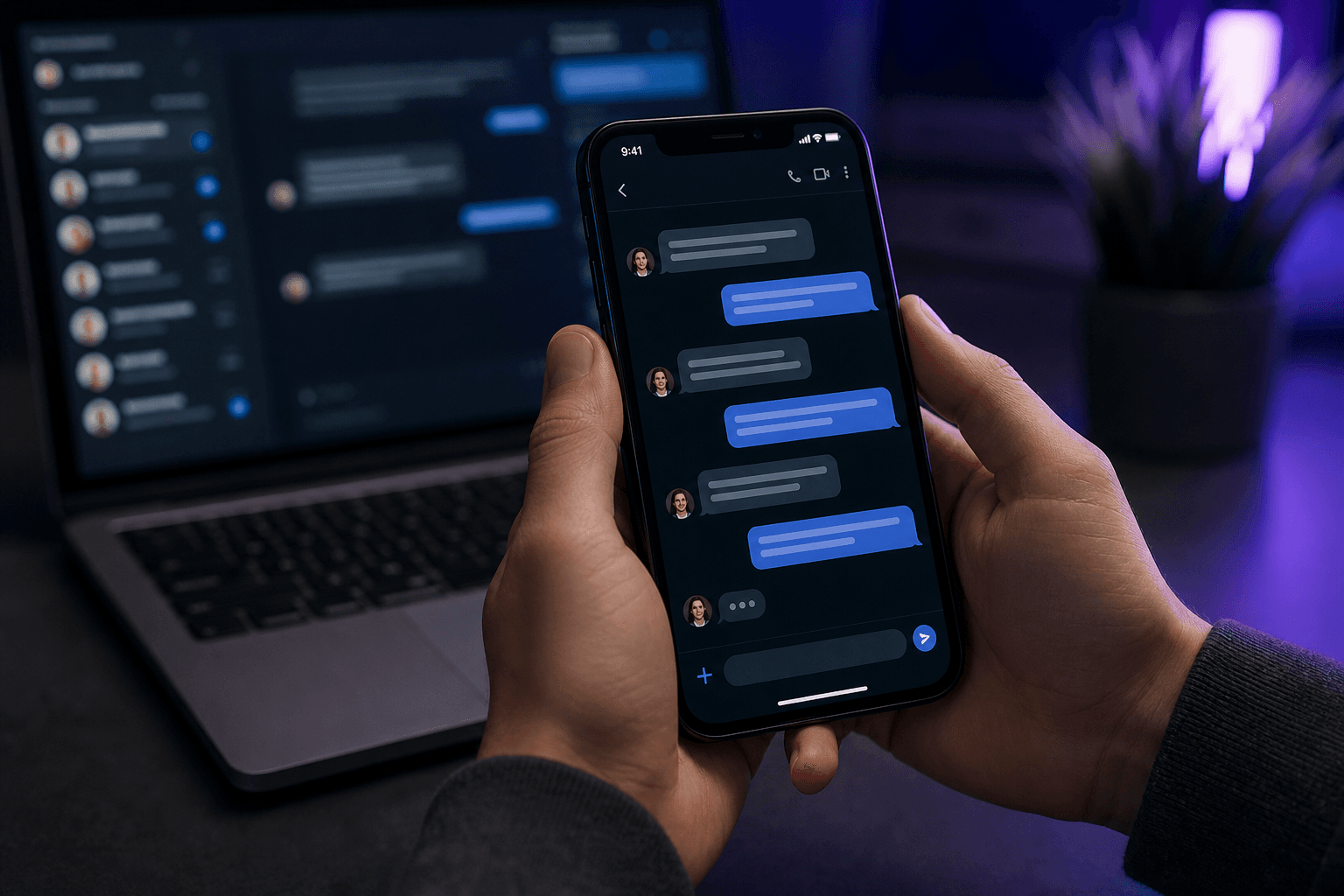
Internal Teams or Slack updates can be shorter. Client emails need cleaner framing and fewer slang shortcuts. Generate once, then switch format instead of rewriting from zero. See faster replies on Slack, Teams, and WhatsApp for channel tone.
Ship one today
If follow-ups are where work slips, make this your default ritual for a week. Capture on the walk back, send within 15 minutes, and track how many “just checking in” messages disappear. Start free on Kloven or compare plans on pricing.